The advent of social media brought with it many pros and cons, as well as content creators also known as influencers.
Social media is a tool used to propagate content, with commercial, personal, hilarious intent. As a tool, it is up to the user, to use it for good or for bad.
But social media influencers, it has emerged, have been caught in between the bane and boon of advertising, MEDICAL PRODUCTS.
Ben Parker in SpiderMan 1 told his nephew Peter, “With great power, comes great responsibility.”
In this context, it should be rephrased, “With great social media influence, comes great responsibility.”
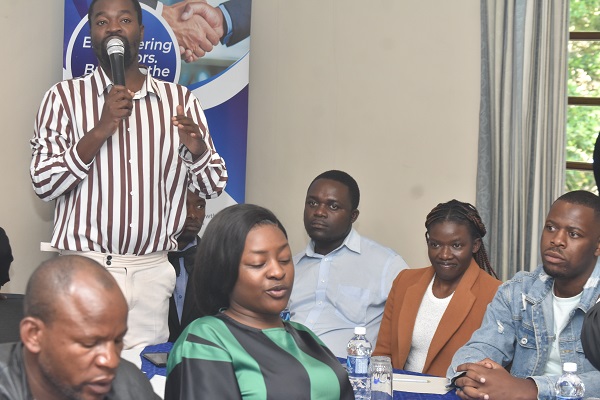
An engagement, held on Wednesday, and convened by the medical products regulator, the Medicines Control Authority of Zimbabwe (MCAZ) brought together content creators from platforms including Facebook, X, TikTok, Instagram and YouTube amid growing concern over the illegal promotion of medicines on social media.
CoCAZ president Takunda ‘Nex’ Tapfuma acknowledged saying the engagement had empowered content creators to make informed decisions before accepting advertising contracts involving medicines.
“This engagement has been very fruitful because many of us were advertising products without knowing that some of them were illegal. We now understand what to look out for before promoting medical products.
“When we talk about medicines, we are talking about public health. People trust our voices and may act on our recommendations. MCAZ also showed us the proper channels to verify whether a medical product has been approved before advertising it,” he said.
Speaking on the sidelines of the meeting, MCAZ Public Relations Manager Davidson Kaiyo said the regulator had observed an increase in the illegal advertising of medicines by influencers, celebrities and bloggers, many of whom were unaware of the legal framework governing such promotions.
“As MCAZ, we have seen the illegal advertisement of medicines on social media, mostly through influencers, celebrities and bloggers.
“We realised these individuals now have a powerful voice in public health communication because they influence where people buy medicines, what medicines they use and even how they use them. However, many are not aware of the laws governing the advertisement of medicines,” he said.
Kaiyo said the Medicines and Allied Substances Control Act regulates the advertising of medicines and noted that several companies had already been arrested and prosecuted for unlawfully using social media personalities to market medical products.
He said MCAZ had opted to educate content creators before resorting to enforcement.
“We realised that instead of going after them for arrest and prosecution, it was better to engage them first so they understand what is lawful and what is not. We believe this engagement will contribute significantly to protecting public health,” he said.
Content creator and brand influencer Lorraine Guyo said the engagement had opened the eyes of many influencers to their responsibilities when promoting medicines and other health products online.
“I am happy with this engagement because it is actually my first time. We would have continued doing business as usual, thinking we could advertise anything. Today, MCAZ told us that there are some medicines we are not allowed to market and explained the legal consequences of breaking the law because ignorance of the law is not an excuse,” she said.
Guyo, however, urged the regulator to review the current approval timeline for medicines advertisements, saying the process, which can take up to 60 days, affects content creators whose livelihoods depend on timely brand campaigns.
She also called on MCAZ to extend similar awareness programmes to all provinces through social media, television and radio so that more influencers understand the legal requirements governing the promotion of medical products.
“There are content creators who did not attend this meeting. It is important for more people to know that some medicines being sold online are illegal and may have harmful side effects,” she said.
Content creator Wessy Issa admitted that he had previously advertised a medical product without knowing it had been deemed illegal.
“I didn’t have any knowledge about this. I was simply advertising these medical products without knowing they could harm public health. Going forward, I will first verify whether a product has been approved by MCAZ before agreeing to advertise it so that I remain on the right side of the law,” he said.